
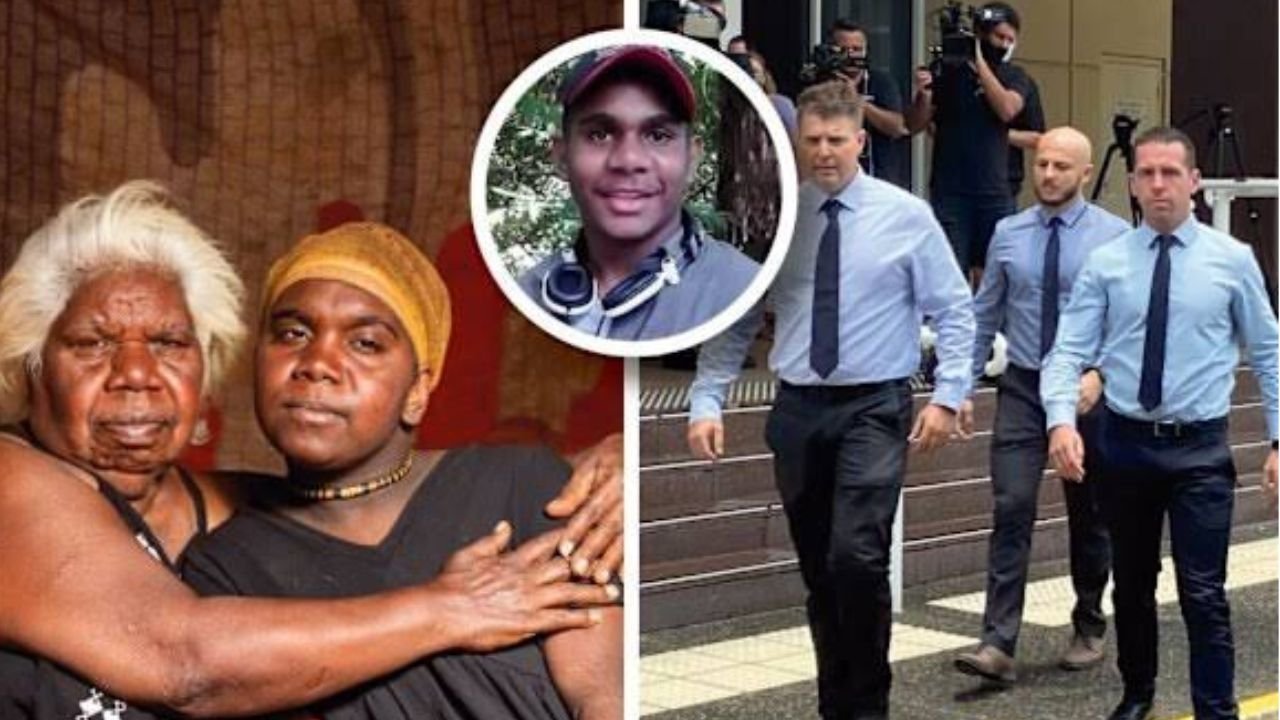
The Zachary Rolfe trial remains one of the most significant and controversial police cases in Australia’s recent history. The case involved the fatal shooting of 19-year-old Indigenous teenager Kumanjayi Walker by Northern Territory police officer Zachary Rolfe in the remote community of Yuendumu in November 2019.
The incident attracted national attention and raised serious questions about police conduct, Indigenous deaths in custody and the relationship between Aboriginal communities and law enforcement.
Rolfe fired three shots at Walker during an attempted arrest. The documentary series 2.6 Seconds: Death in the Outback examines the incident and the events that led to the teenager’s death. Its title refers to the gap between the first and second shots fired by Rolfe.
Three years after the shooting, Rolfe faced a five-week trial over Walker’s death. He was found not guilty of murder and was also cleared of two other charges. The verdict became a major point of discussion across Australia, particularly among Indigenous communities and people concerned about police accountability.
What Happened During the Zachary Rolfe Trial?
The circumstances surrounding Walker’s death were complicated. Police had attempted to arrest him three days before the fatal shooting. During that earlier encounter, Walker threatened officers with an axe, and the arrest attempt was unsuccessful.
Walker had experienced a difficult childhood and faced cognitive and health challenges. His circumstances became an important part of discussions about how police handled the situation.
Rolfe had previously served in the Australian Army and was deployed to Afghanistan. He later received advanced weapons training through a private company in the United States before joining the Northern Territory Police.
He worked in Alice Springs, a regional centre located approximately 300 kilometres from Yuendumu.
The trial examined the circumstances of the shooting and the actions taken by Rolfe during the arrest attempt. His acquittal did not end public debate about the incident or the broader issues surrounding police treatment of Indigenous Australians.
Documentary Reexamines the Death of Kumanjayi Walker
The four-part documentary 2.6 Seconds: Death in the Outback, directed by Darren Dale, revisits the case through interviews, police footage and detailed investigations.
The series explores the different circumstances surrounding Walker and Rolfe, while examining poverty, institutional racism, intergenerational trauma and the challenges faced by police officers working in remote communities.
One prominent voice in the documentary is Samara Nangala Fernandez Brown, one of Walker’s cousins. She is highlighted for her determination to pursue justice for her family.
The documentary also discusses a later coronial finding in which Rolfe was found to have racist attitudes. The coroner could not rule out that these attitudes played a role in Walker’s death.
Ultimately, the Zachary Rolfe trial remains an important chapter in Australia’s ongoing discussion about Indigenous rights, justice and police accountability. Walker’s death continues to have a lasting impact on his family and community.